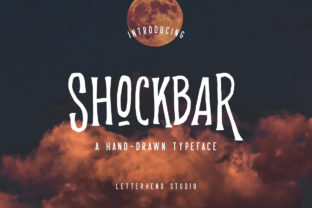
Shockbar: A Bold Display Font for Creative Projects
Shockbar is a striking display font that brings energy and personality to any design. Its bold, angular shapes and dynamic strokes make it ideal for projects that need a strong visual presence. Whether you're designing a logo, creating a magazine layout, or crafting social media graphics, Shockbar adds a modern edge that stands out.
Designed with versatility in mind, Shockbar combines the strength of a serif font with the clean lines of a sans serif. This unique blend gives it a distinctive character that works well in both digital and print formats. The font’s sharp angles and consistent weight distribution ensure clarity without sacrificing style, making it a go-to choice for designers looking for a premium font that delivers results.
Where Shockbar Shines
Shockbar excels in situations where visual impact matters most. It’s perfect for logo design, where a strong, memorable typeface can define a brand’s identity. Its boldness makes it ideal for headlines, banners, and other high-visibility elements in editorial design, packaging design, and web design. For small businesses and entrepreneurs, Shockbar offers a professional look that communicates confidence and creativity.
In marketing materials, Shockbar can help create eye-catching calls to action or highlight key messages. Its readability at larger sizes makes it suitable for print projects like invitations, posters, and signage. When used in social media graphics, it adds a modern touch that aligns with current design trends. For bloggers and content creators, Shockbar provides a fresh, engaging way to present titles and headings.
The Impact of Shockbar on Design
Choosing the right font can significantly affect how a design is perceived. Shockbar’s bold structure helps establish visual hierarchy, drawing attention to important elements without overwhelming the viewer. Its clean lines and balanced proportions contribute to a sense of professionalism and consistency across different mediums.
When used in brand identity, Shockbar can reinforce a company’s message and values. Its energetic appearance suggests innovation and creativity, which can resonate with target audiences. However, it’s important to consider the context—Shockbar may not be the best choice for all projects. For example, in more traditional or minimalist designs, a script font or handwritten font might be more appropriate.
Designers should also think about font pairing when using Shockbar. Pairing it with a simpler, more neutral typeface can create balance and prevent visual clutter. For instance, combining Shockbar with a serif or sans serif font can enhance readability while maintaining a cohesive look. Testing different combinations in real-world scenarios helps ensure the final design meets both aesthetic and functional goals.
Practical Tips for Using Shockbar
Before incorporating Shockbar into a project, evaluate whether it aligns with the overall vision. Consider the audience and the medium—will the font work well in both digital and print formats? Is it legible at the intended size? These questions can guide the decision-making process.
Reviewing the font’s available styles is also essential. Some display fonts come with multiple weights or variations, offering greater flexibility. If Shockbar includes ligatures, alternate characters, or special glyphs, these features can add depth and uniqueness to the design. Always test the font in different contexts to see how it performs under various conditions.
For commercial use, check the licensing terms carefully. A commercial font ensures that the designer has the rights to use it in business-related projects without legal issues. Shockbar’s licensing options should provide clarity on how it can be used across different platforms and media.
Real-World Applications of Shockbar
One practical example is a small business launching a new product line. By using Shockbar in the packaging design, the brand can create a bold, recognizable identity that sets it apart from competitors. In a magazine layout, Shockbar can serve as a headline font, adding visual interest and guiding readers through the content.
Another scenario involves a blogger who wants to elevate their website’s design. Using Shockbar for section headers or featured posts can give the site a more dynamic and engaging feel. In web design, the font’s scalability ensures it looks sharp on both desktop and mobile devices.
For event planners, Shockbar can transform invitations and promotional materials into visually compelling pieces that capture attention. Its versatility allows it to fit into a wide range of design styles, making it a valuable addition to any designer’s toolkit.
Conclusion
Shockbar is more than just a display font—it’s a powerful tool for creative professionals seeking to make an impression. Its bold, modern aesthetic and versatile application make it suitable for a wide array of projects. Whether you’re working on a logo, a marketing campaign, or a personal creative endeavor, Shockbar offers the visual punch needed to stand out in today’s competitive design landscape.
By understanding its strengths and limitations, designers can use Shockbar effectively to enhance their work and communicate their message with clarity and impact. With careful consideration and thoughtful application, Shockbar can become a key element of any successful design project.