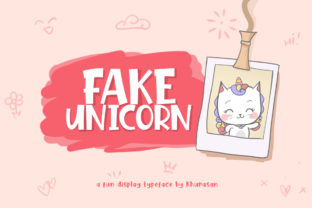
Fake Unicorn: A Bold Font That Can Transform Your Designs
If you're looking for a font that stands out and adds a unique flair to your projects, Fake Unicorn might be the perfect choice. This display font is known for its boldness and creativity, making it ideal for logos, headlines, and other visual elements where impact matters. However, while Fake Unicorn can be a powerful tool, it's important to understand how to use it effectively to avoid common pitfalls.
What Is Fake Unicorn and Why It Appeals to Designers
Fake Unicorn is a stylized display font that combines modern aesthetics with a playful twist. Its design features exaggerated curves, sharp angles, and a sense of whimsy that makes it instantly recognizable. Many designers are drawn to it because it offers a fresh alternative to more traditional fonts, allowing them to create visually striking work that captures attention.
Whether you're working on a branding project, a social media campaign, or a personal creative endeavor, Fake Unicorn can add a unique personality to your designs. Its bold appearance makes it particularly effective for headlines, banners, and other prominent text elements.
Common Mistakes When Using Fake Unicorn
Despite its appeal, using Fake Unicorn without proper consideration can lead to issues that undermine your design. One of the most common mistakes is overusing the font. While it looks great in large text, applying it to body copy or long paragraphs can reduce readability and make your work look cluttered.
Another mistake is not considering the context of your design. Fake Unicorn may not be suitable for all types of projects. For example, if you're creating a professional document or a formal website, the font’s playful nature could clash with the overall tone. It's important to match the font's style with the message you want to convey.
Overlooking Legibility and Accessibility
Legibility is a crucial factor when choosing any font, and Fake Unicorn is no exception. While it's visually appealing, some variations of the font may have characters that are difficult to read, especially at smaller sizes. This can be a problem if your design includes text that needs to be easily scannable, such as in a brochure or an advertisement.
Additionally, accessibility should not be ignored. If your audience includes people with visual impairments, using a font that's hard to read could prevent them from engaging with your content. Always test your design with different screen sizes and consider alternatives for critical text.
How to Avoid Common Pitfalls With Fake Unicorn
To get the most out of Fake Unicorn, start by using it strategically. Limit its use to key areas of your design where it can shine, such as headings, titles, or graphic elements. This approach maintains the font’s impact without overwhelming your audience.
Before finalizing your design, conduct a legibility test. View your work on different devices and in various lighting conditions to ensure the text remains clear. If necessary, pair Fake Unicorn with a more readable font for body text to maintain balance.
Choosing the Right Version of Fake Unicorn
Fake Unicorn comes in multiple styles, and not all versions may suit your needs. Some include additional characters, ligatures, or stylistic alternatives that can enhance your design. However, these variations may also complicate the font's usage, especially if you're not familiar with advanced typographic features.
Take time to explore the available options and choose the version that best fits your project. If you're unsure, start with the standard style and experiment later as you become more comfortable with the font’s capabilities.
Practical Tips for Using Fake Unicorn Effectively
One practical approach is to use Fake Unicorn as a secondary font alongside a more neutral typeface. For example, pair it with a sans-serif font like Arial or Helvetica for body text. This combination allows you to maintain a strong visual identity while ensuring clarity and professionalism.
Another tip is to experiment with color and spacing. Since Fake Unicorn has a bold structure, adjusting the letter spacing or adding a subtle background can help it stand out without being overwhelming. These small tweaks can make a big difference in how your design is perceived.
Checking Before You Decide
Before committing to Fake Unicorn, check its licensing terms. Some fonts may have restrictions on commercial use, which could limit your ability to use them in certain projects. Always verify the license to avoid legal issues down the line.
Also, consider the availability of the font. If it's not widely supported across different platforms, you may encounter compatibility problems when sharing your work. Ensure that the font is accessible on the devices and software your audience will use.
Realistic Examples of Better Choices
Instead of using Fake Unicorn for every element in your design, focus on one or two key areas where it can make the biggest impact. For instance, use it for a logo or a headline, and then rely on a more conventional font for the rest of the text. This approach keeps your design cohesive while still allowing the font to shine.
Another example is to use Fake Unicorn in a digital format, such as a website or social media post, rather than in print. Digital displays often allow for more flexibility in font rendering, making it easier to maintain clarity and visual appeal.