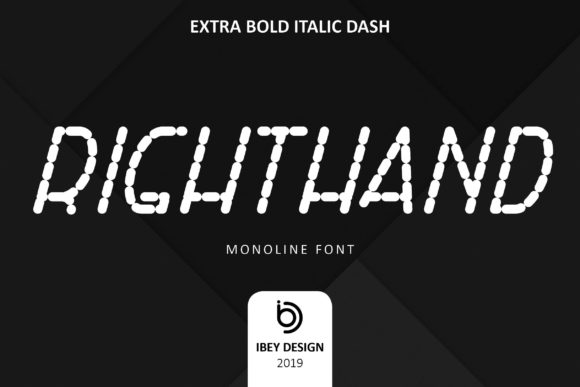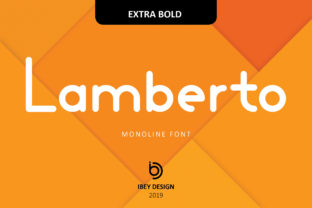
Lamberto Extra Bold: A Powerful Typographic Statement for Modern Design
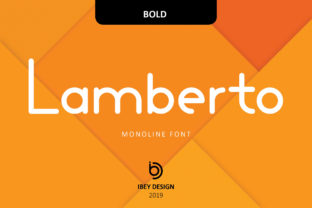
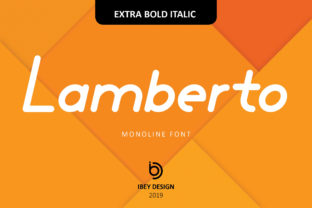
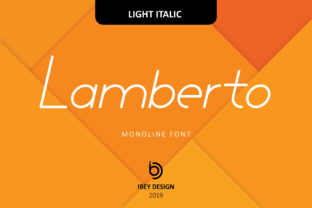
When it comes to making a visual impact, the right font can be just as important as the message itself. Lamberto Extra Bold is a monoline display font that stands out with its bold, contemporary aesthetic. It’s designed for those who want to make a strong impression without sacrificing clarity or elegance.
Unlike traditional serif or sans-serif fonts, Lamberto Extra Bold takes a modern approach to lettering. Its clean lines and consistent stroke width give it a sleek, minimalist feel while maintaining a sense of weight and presence. This makes it ideal for situations where you need to convey authority, energy, or sophistication at a glance.
Real-World Applications of Lamberto Extra Bold
One of the most common uses for Lamberto Extra Bold is in branding. Whether you're designing a logo for a new startup or rebranding an established company, this font can help create a strong visual identity. Its boldness ensures that your brand name stands out, even when placed on a small space like a business card or a website header.
In the world of advertising, Lamberto Extra Bold can be used to draw attention to key messages. For example, a billboard promoting a new product might use this font for the headline to ensure it's immediately noticeable. Its clean design also helps maintain readability from a distance, which is crucial for outdoor signage.
Designers working on digital interfaces often turn to Lamberto Extra Bold for headings and call-to-action buttons. The font’s structure allows it to scale well across different screen sizes, making it a reliable choice for both web and mobile applications. Its modern look also aligns with current design trends, helping to keep a site feeling fresh and up-to-date.
Who Benefits from Using Lamberto Extra Bold?
Business owners looking to establish a strong brand presence will find Lamberto Extra Bold useful. It provides a professional yet eye-catching option for logos, marketing materials, and packaging. For instance, a boutique coffee shop might use this font for its signage to communicate quality and style without being too flashy.
Graphic designers and illustrators can also benefit from using Lamberto Extra Bold in their work. It pairs well with other fonts, allowing for creative layouts that balance boldness with subtlety. Whether creating a poster, a magazine layout, or a social media graphic, this font offers versatility and visual impact.
Content creators and influencers may use Lamberto Extra Bold to enhance the visual appeal of their work. On platforms like Instagram or YouTube, a well-designed title or caption can increase engagement. This font can help make text more visually striking, especially when paired with bold colors or minimalistic backgrounds.
Considerations Before Using Lamberto Extra Bold
Before choosing Lamberto Extra Bold, it’s important to consider the context in which it will be used. While it excels in display settings, it may not be the best choice for long blocks of body text. Its heavy weight and lack of variation can make it difficult to read in extended formats, such as articles or reports.
Another consideration is the target audience. If the goal is to communicate a message to a broad or diverse group, it’s worth testing how the font appears across different devices and screen sizes. Ensuring that it remains legible and effective in various environments is key to its success.
Finally, users should be aware of licensing and availability. Depending on the project, it may be necessary to purchase a license for commercial use. Some fonts come with restrictions on how they can be distributed or modified, so it’s important to review these details before incorporating Lamberto Extra Bold into a design.
Strengths and Limitations of Lamberto Extra Bold
The primary strength of Lamberto Extra Bold lies in its ability to command attention. Its bold, monoline design gives it a modern and sophisticated look that works well in a variety of contexts. It’s particularly effective when used sparingly, allowing it to serve as a focal point without overwhelming the overall design.
However, this same boldness can also be a limitation. In some cases, the font may appear too aggressive or unapproachable, depending on the surrounding elements. Designers must balance its impact with other visual components to avoid a cluttered or chaotic appearance.
Additionally, because it’s a monoline font, it lacks the subtle variations found in many traditional typefaces. This can make it less suitable for projects that require a more nuanced or expressive typographic style. Still, for many applications, this simplicity is a strength rather than a drawback.