Mars: A Bold and Beautiful Display Font for Every Project
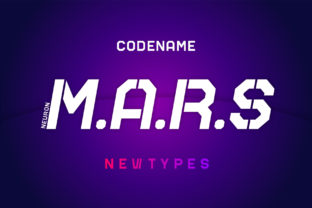
If you're looking for a font that commands attention and adds a touch of elegance to your designs, Mars might be the perfect choice. This stunning display font was specifically crafted for use in posters, headlines, titles, and magazines, where visual impact is key. Its clean lines and modern aesthetic make it ideal for both digital and print media, offering a versatile option for designers and creatives.
What Makes Mars Stand Out?
Mars is more than just a font—it's a statement. Designed with a balance of simplicity and sophistication, it works well in a variety of contexts. Whether you're creating a bold headline for a magazine or a striking poster for an event, Mars delivers clarity and style. Its legibility at larger sizes ensures that your message is not only seen but also understood.
One of the reasons people are drawn to Mars is its unique character. Unlike many generic display fonts, Mars offers a distinct personality that can elevate the overall look of your project. It’s especially useful when you want to convey a sense of strength, innovation, or modernity.
Common Mistakes When Using Mars
While Mars is a powerful tool, it's easy to fall into some common pitfalls if you're not careful. One of the most frequent mistakes is using it in the wrong context. Mars shines in large-scale applications, but it may not be the best choice for body text or long paragraphs. Its design is optimized for visibility and impact, not readability over extended periods.
Another mistake is not considering the surrounding design elements. Mars can be overwhelming if not paired properly. For example, using it alongside a complex background or other busy fonts can dilute its effect. It's important to maintain a clean and cohesive layout to let Mars shine without competing with other elements.
How to Avoid These Issues
To get the most out of Mars, start by understanding its strengths and limitations. Use it in situations where it can make a strong visual impression—such as headlines, logos, or title cards. Avoid using it in body text unless you’re working on a very short, impactful message.
When pairing Mars with other fonts, choose complementary styles that don’t clash. A simple sans-serif or serif font can provide a nice contrast while keeping the overall design balanced. Always test your design at different sizes to ensure that Mars remains legible and effective.
What to Check Before Using Mars
Before finalizing your decision to use Mars, there are a few things to consider. First, check the licensing terms. Make sure you have the appropriate license for your intended use, whether it's personal, commercial, or for a client. Some fonts come with restrictions that could affect your project if not properly understood.
Also, evaluate how Mars fits into your existing design system. If you're working on a brand or a series of projects, consistency is key. Ensure that Mars aligns with your overall visual identity and doesn't create a disjointed look.
Realistic Examples of Better Choices
Instead of using Mars for every headline, consider varying your typography to keep your designs fresh and engaging. For instance, use Mars for a primary headline, then pair it with a simpler font for subheadings or captions. This approach creates visual hierarchy and prevents the design from feeling monotonous.
Another practical example is using Mars in a limited way. Rather than applying it to an entire page, use it strategically for key elements like a main title or a call-to-action. This not only highlights the font's strengths but also maintains a professional and polished appearance.
Why Mars Is Worth Considering
Mars is more than just a font—it's a design asset that can enhance the visual appeal of your work. When used correctly, it adds a level of sophistication that can set your project apart. Its versatility makes it suitable for a wide range of applications, from marketing materials to editorial layouts.
For professionals and hobbyists alike, Mars offers a reliable and stylish option for display purposes. By avoiding common mistakes and making thoughtful design choices, you can unlock its full potential and create visually compelling work that resonates with your audience.