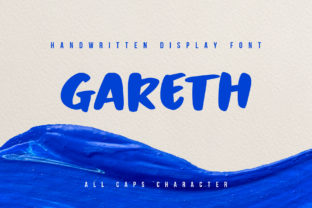
Why Gareth is the Perfect Display Font for Modern Design
When it comes to typography, the right font can make all the difference in a design. Gareth, a unique display font, offers a perfect blend of classic and modern styles that can elevate any project. Whether you're working on a logo, website, or print material, Gareth brings a distinctive character that stands out.
Designed with both aesthetics and functionality in mind, Gareth is more than just a decorative typeface. It’s a versatile tool that designers can use across various platforms. Its clean lines and balanced proportions make it suitable for both digital and print media, ensuring that your message is communicated clearly and effectively.
Key Features of the Gareth Font
Gareth combines the elegance of traditional serif fonts with the simplicity of modern sans-serif designs. This duality makes it ideal for a wide range of applications. The font features a strong baseline, which helps maintain readability even at smaller sizes. Its subtle contrast between thick and thin strokes adds visual interest without overwhelming the reader.
One of the standout qualities of Gareth is its versatility. It works well in both headings and body text, making it a go-to choice for designers who want a consistent look throughout their projects. The font also includes a variety of weights and styles, allowing for greater customization and flexibility.
Another notable feature is its legibility. Despite its decorative elements, Gareth remains highly readable, even in long paragraphs. This makes it an excellent option for publications, websites, and other content that requires clear communication.
How Gareth Fits Into Modern Workflows
In today's fast-paced design world, efficiency is key. Gareth supports this by offering a streamlined workflow that integrates seamlessly into popular design software. Whether you're using Adobe Creative Suite, Figma, or Sketch, Gareth is easily accessible and ready to use.
For web developers, Gareth is available in multiple formats, including WOFF and TTF, ensuring compatibility across different browsers and devices. This adaptability makes it a practical choice for responsive design, where consistency and performance are crucial.
Graphic designers often rely on a mix of fonts to create visual hierarchy and balance. Gareth can serve as a primary heading font, complementing other typefaces while maintaining a cohesive look. Its ability to work well alongside both bold and delicate fonts makes it a valuable addition to any designer's toolkit.
Practical Benefits of Using Gareth
One of the main advantages of using Gareth is its ability to convey a sense of sophistication and professionalism. Its clean yet distinctive style makes it ideal for branding, where first impressions matter. Companies looking to establish a strong visual identity often turn to fonts like Gareth to communicate their values effectively.
For personal projects, Gareth adds a touch of uniqueness that sets your work apart. Whether you're designing a portfolio, a social media post, or a flyer, the font brings a level of polish that enhances the overall presentation. Its modern aesthetic appeals to a broad audience, making it a safe and stylish choice.
Additionally, Gareth is easy to use. With a simple installation process and straightforward licensing terms, it’s accessible to both professionals and hobbyists. There are no complicated restrictions or hidden costs, making it a hassle-free option for anyone looking to enhance their design work.
Scenarios Where Gareth Shines
Gareth is particularly effective in branding and marketing materials. Its refined appearance suits everything from business cards to advertisements, helping to create a memorable and professional image. For example, a boutique clothing brand might use Gareth for its logo and packaging to evoke a sense of timeless elegance.
In the realm of digital design, Gareth excels in website headers and promotional banners. Its bold yet elegant style draws attention without being distracting. A tech startup could use Gareth for its homepage title, combining innovation with a touch of class to resonate with its target audience.
Print designers also benefit from Gareth’s clarity and style. Whether it's a magazine layout, a book cover, or a poster, the font maintains its impact and readability. Its adaptability ensures that it looks great in both high-resolution and low-quality prints, making it a reliable choice for any medium.
Recommendations for Using Gareth
To get the most out of Gareth, consider the context in which it will be used. For headings, a heavier weight can add emphasis and visual appeal. For body text, a lighter version ensures readability without sacrificing style. Experimenting with different weights and spacing can help achieve the desired effect.
Pairing Gareth with complementary fonts can also enhance its impact. For instance, pairing it with a simple sans-serif like Helvetica or Arial can create a balanced and modern look. Alternatively, using it with another serif font can add depth and richness to the design.
Finally, always test Gareth in real-world scenarios. View it on different screens and in various sizes to ensure it meets your needs. This step can save time and prevent potential issues down the line.
Common Considerations When Choosing a Font Like Gareth
Before adopting a font like Gareth, it’s important to consider factors such as licensing, availability, and compatibility. Make sure the font is properly licensed for your intended use, whether it's personal, commercial, or for a client. Some fonts may have restrictions that could limit their usefulness.
Also, check if the font is available in the required formats. While Gareth is typically offered in standard formats, it’s wise to confirm before making a purchase or download. Ensuring that the font works across different platforms and devices is essential for maintaining a consistent design.
Lastly, think about the audience you’re trying to reach. A font that works well for one demographic may not resonate with another. Gareth’s blend of classic and modern styles makes it a versatile choice, but understanding your audience’s preferences can help you decide if it’s the right fit for your project.