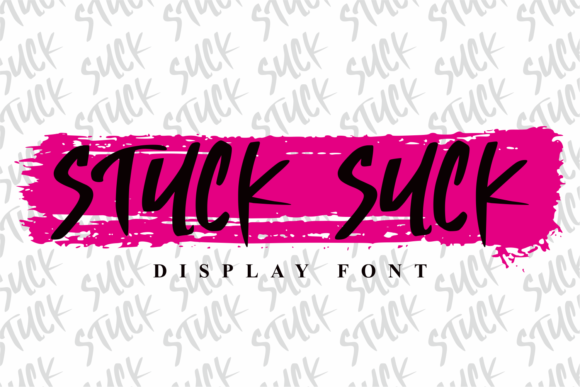
Stuck Suck: A Unique Handwritten Display Font for Creative Workflows
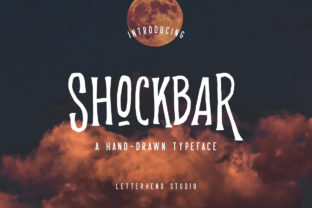
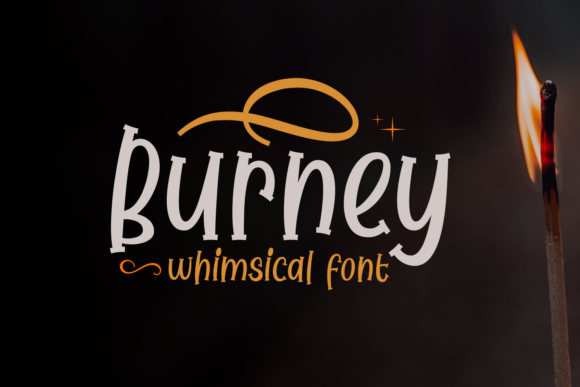
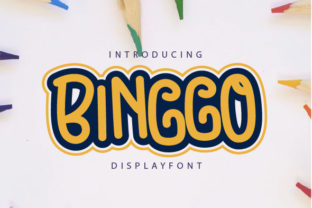
Stuck Suck is more than just a font—it's a tool that can enhance the visual identity of your projects, whether you're designing a brand, crafting a marketing campaign, or simply adding a personal touch to your work. Its unique flow and style make it an extraordinary addition to any font collection, offering a balance between creativity and readability that suits a wide range of applications.
Understanding Stuck Suck in the Context of Design and Workflow
When integrating new tools into your workflow, it's important to understand how they fit into existing processes. Stuck Suck is best suited for display purposes rather than body text, making it ideal for headings, logos, and other visual elements that require a distinctive look. Its handwritten style adds a human touch that can differentiate your work from more rigid, standard fonts.
For professionals in fields like graphic design, branding, and content creation, Stuck Suck can serve as a go-to font when you want to convey a sense of authenticity and personality. It’s particularly effective in campaigns that aim to connect with audiences on a more emotional level, such as social media posts, promotional materials, or personal branding initiatives.
Using Stuck Suck in Different Phases of a Project
Stuck Suck can be used at various stages of a project, depending on your needs and goals. During the planning phase, it might help you visualize how your final product will look, especially if you’re working on a design concept that requires a specific aesthetic. In the execution phase, it can add a creative edge to your output, helping you stand out in a competitive market.
After a project is complete, Stuck Suck can still play a role in quality control and consistency. If you're maintaining a brand identity across multiple platforms, using a consistent font like Stuck Suck ensures that your visual presence remains cohesive and recognizable.
Integration with Other Tools and Resources
Stuck Suck works well with a variety of design software, including Adobe Photoshop, Illustrator, and Canva. These platforms offer robust typography tools that allow you to experiment with different styles and layouts. When paired with other fonts, Stuck Suck can create a balanced contrast that enhances readability without sacrificing style.
For users who rely on digital asset management systems, Stuck Suck can be stored and organized alongside other fonts, making it easy to access when needed. This integration supports efficient workflow practices, ensuring that you can quickly find and apply the right font for each task.
Practical Implementation Tips
To get the most out of Stuck Suck, consider the following tips:
- Limit usage: Use Stuck Suck sparingly to maintain visual clarity. Overusing it can lead to clutter and reduce its impact.
- Pair with complementary fonts: Combine it with more traditional fonts to create a harmonious design that balances creativity with professionalism.
- Test in different contexts: Experiment with Stuck Suck in various formats—such as print, web, and social media—to see how it performs in different environments.
These strategies help ensure that Stuck Suck enhances your work rather than detracts from it. By using it thoughtfully, you can maintain high standards of design and usability while still expressing your creative vision.
Workflow Examples and Use Cases
Consider the following scenarios where Stuck Suck can be effectively applied:
- Brand Identity: When developing a brand, Stuck Suck can be used for logos, taglines, and other key visual elements that need to reflect a unique personality.
- Marketing Materials: For social media graphics, email newsletters, or promotional posters, Stuck Suck adds a fresh and engaging look that captures attention.
- Personal Projects: Whether you're creating a portfolio, a blog, or a personal website, Stuck Suck can help you express your individuality and style.
In each case, Stuck Suck serves as a bridge between creativity and functionality, allowing you to communicate your message with both flair and clarity.
Factors to Consider for Long-Term Use
When considering long-term use of Stuck Suck, it's important to evaluate factors such as compatibility, scalability, and adaptability. Ensure that the font works well across different devices and platforms, and that it can evolve with your changing needs.
Additionally, consider the accessibility of the font. While Stuck Suck has a distinctive style, it should still be legible enough for your intended audience. Regularly review how it performs in different contexts and adjust your usage accordingly.
By taking these factors into account, you can ensure that Stuck Suck remains a valuable asset in your design toolkit for years to come.
Conclusion: Embracing Stuck Suck in Your Creative Process
Stuck Suck offers a unique blend of creativity and practicality that can elevate your work in meaningful ways. Whether you're a designer, marketer, or content creator, incorporating this font into your workflow can help you express your ideas more effectively and stand out in a crowded market.
By understanding how to use Stuck Suck in different phases of your projects, integrating it with other tools, and applying it thoughtfully, you can unlock its full potential. With careful implementation and ongoing evaluation, Stuck Suck can become an essential part of your creative process, contributing to both the quality and uniqueness of your work.